
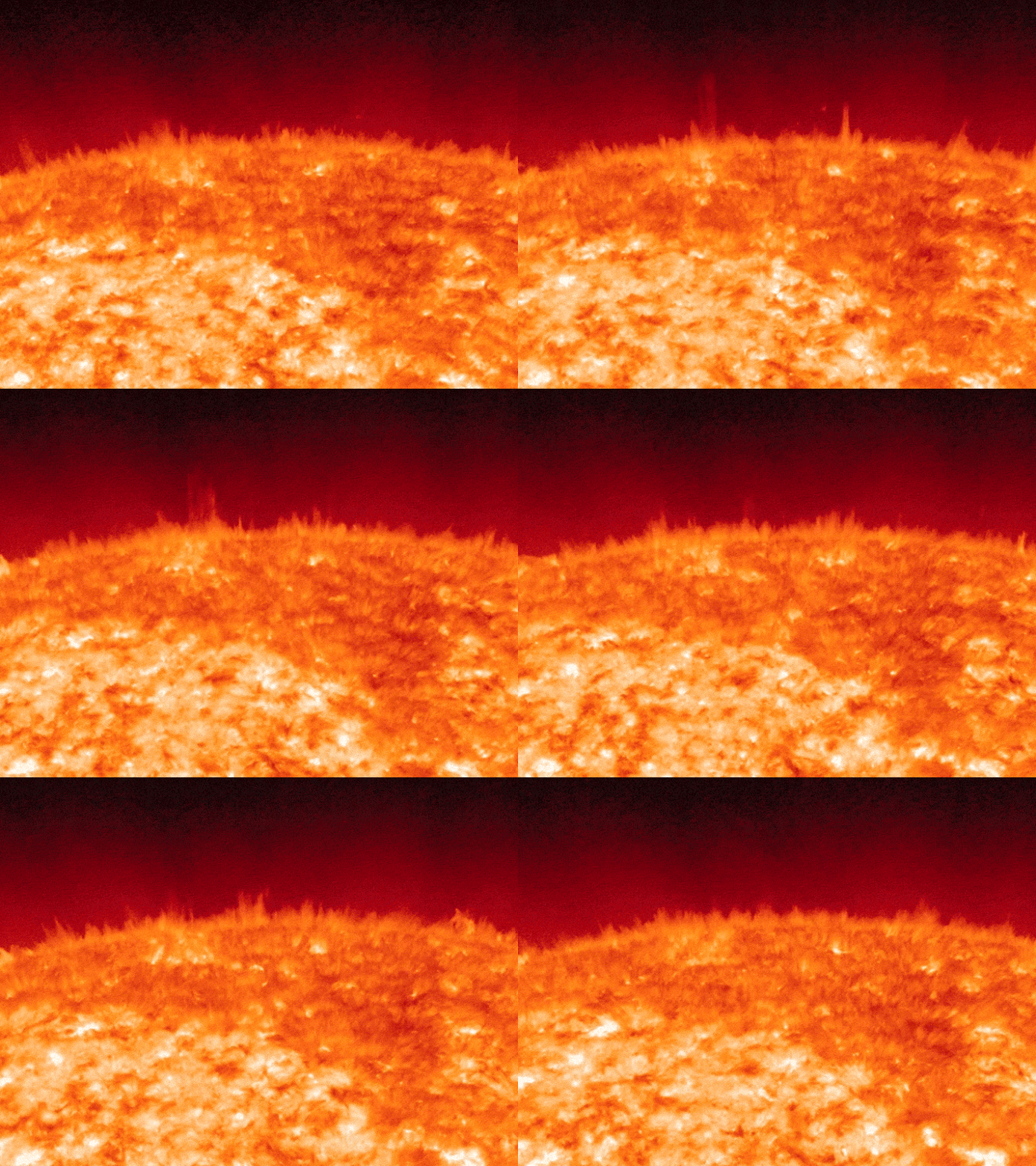
The surface of the Sun is really hot — about 5800 Kelvin or 10,000 Fahrenheit. At this temperature the solar plasma glows brightly in the visible part of the spectrum, and even emits a lot of ultraviolet radiation that would sterilize the Earth’s surface were it not for the protective ozone layer that absorbs the most harmful rays.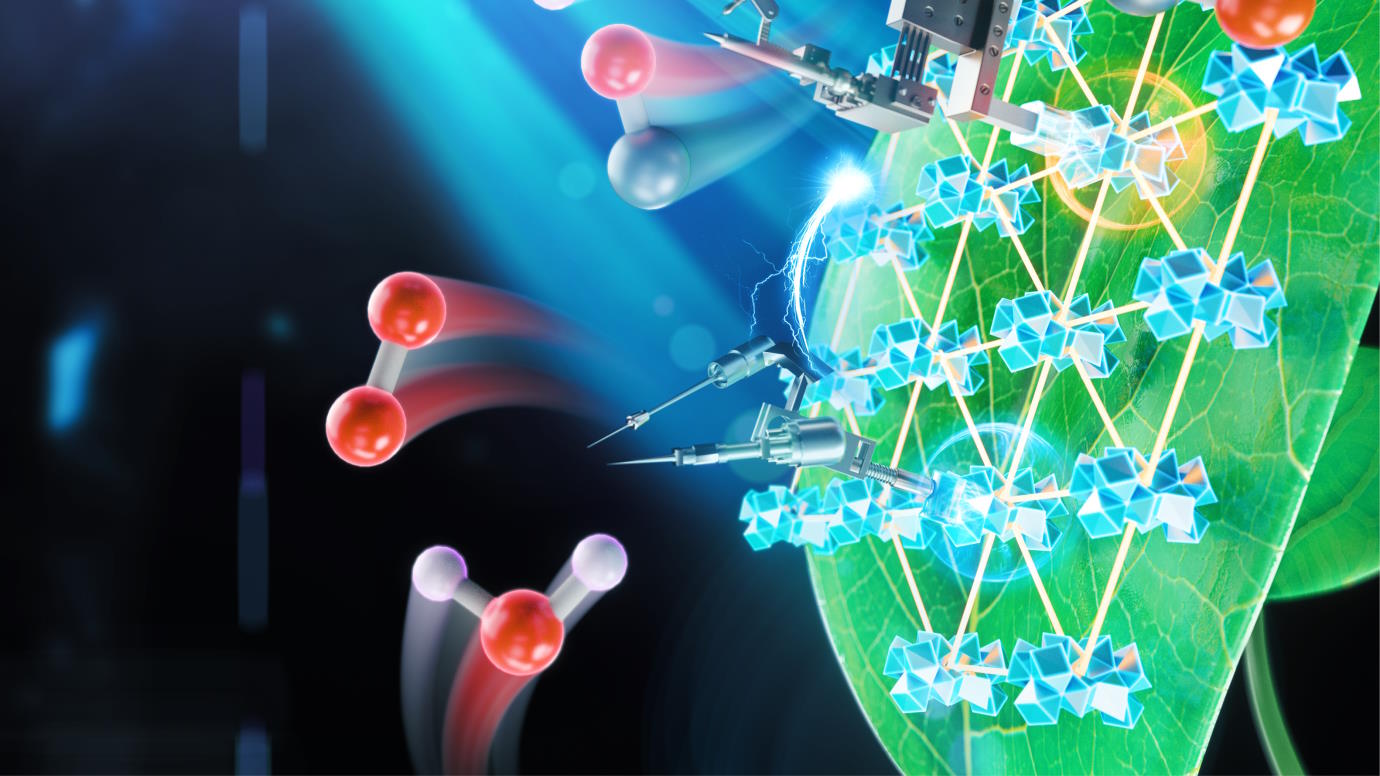 Solar photons carry the energy of the Sun across space to the Earth, where some of their energy is absorbed by specialized pigment molecules in plants that evolution has developed into molecular photovoltaic panels! Inside these chloroplasts, trapped solar energy is converted to chemical energy that is then used to transmute inorganic carbon gas into living protoplasm.
 Fully oxidized carbon is captured form the air and infused with life, crossing the boundary from nonliving to living matter and creating a reservoir of reduced organic compounds that clings to the Earth’s surface like a living film. Reduced organic matter in the biosphere then serves as an energy reservoir, storing solar energy until it’s needed. Life burns this fuel by reacting it with oxygen to release the stored energy.

The biosphere acts as a literal battery on planetary scales, using organic molecules as an electrolyte to store solar energy and then releasing it by reacting it with free oxygen from the atmosphere and oceans. Unlike the ones we might buy at Home Depot, this battery is fully self-sustaining. It manufactures its own ingredients from the weathering products of rocks and soils, it generates all the oxygen it needs to burn the organic fuel, and it has successfully reproduced itself for billions of years.
